What Backflow Testing Actually Protects
A small valve does a quiet job protecting your water supply, and it only works if it still works.
September 23, 2026 · 4 min read
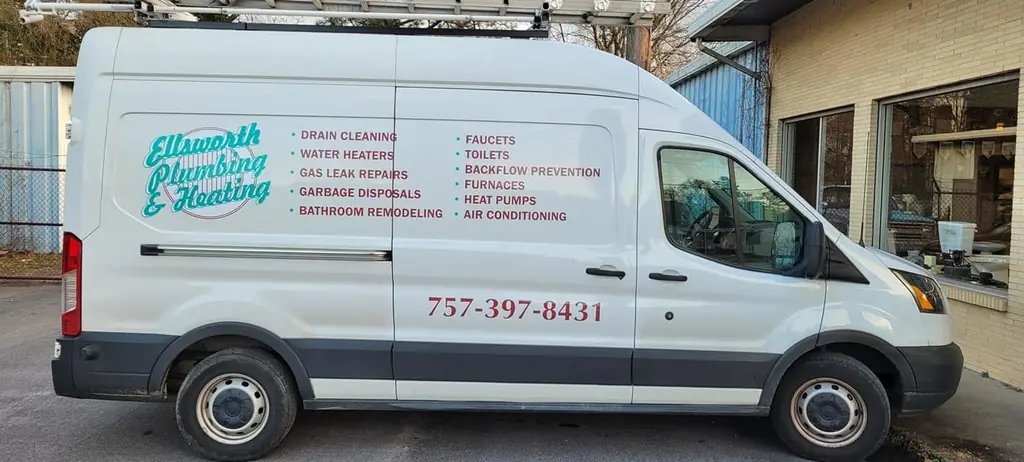
Backflow preventer isn't a phrase most homeowners think about until it shows up on a plumbing invoice or a service reminder. It's a small piece of hardware doing a quiet job, and it's worth understanding what it actually protects.
What a Backflow Preventer Actually Does
Water is supposed to flow one direction, from the supply line into the house. Under the wrong conditions, like a sudden drop in street pressure, water can momentarily flow the other way instead, pulling whatever's sitting in a hose, an irrigation line, or a fixture back toward the clean supply. A backflow preventer is the valve that stops that reversal from happening. It's a simple piece of equipment, but it's the one thing standing between a clean water supply and whatever happens to be on the other side of a hose bib on any given day.
Where a Backflow Preventer Usually Sits
Most homes that have one find it near an irrigation system, a hose bib used for a garden or a pool fill line, or anywhere else a hose could theoretically sit in standing water and create a path back toward the house. It's a small brass or plastic assembly, easy to miss entirely until the day it needs attention, usually mounted somewhere between the main shutoff and whatever fixture it's protecting.
Why It Gets Tested Every Year
Like any mechanical valve, a backflow preventer can wear, stick, or develop a slow leak over time, and the only way to know it's still doing its job is to test it. Ellsworth Plumbing & Heating offers annual inspections along with backflow repairs and installation, and being backflow certified is one of the credentials they list on their own site. A yearly test is quick, and it's the difference between assuming the valve still works and actually knowing it does.
What an Inspection Actually Involves
A backflow test is quick but specific. A tester attaches gauges to the valve and checks that it holds pressure the way it's supposed to under a couple of different conditions, confirming both the primary check and the relief valve are doing their job rather than just assuming they are because nothing's leaked yet. It's not something that can be eyeballed from across the yard. The valve either passes the pressure test or it doesn't, and a failed test usually means a rebuild kit or a full replacement depending on what's actually worn.
When Repair Beats Replacement, and When It Doesn't
A backflow preventer that fails its test isn't automatically a full replacement. Often it's a worn rubber seal or a spring inside the valve body that a rebuild kit fixes in the same visit. Older valves, or ones that have corroded badly enough that the housing itself is compromised, are usually better off replaced outright rather than repeatedly patched. Either way, the test is what tells the difference, not a guess based on how old the fixture looks from outside.
Signs It's Worth Checking Sooner
A backflow preventer doesn't always wait for its scheduled test to show a problem. Ellsworth Plumbing & Heating's own guidance points to a few signs worth acting on right away:
- Unusual water pressure, higher or lower than normal
- Discolored water coming from the tap
- Strange smells from the water supply
- Visible water leaks near the backflow preventer itself
- An annual inspection that's come due
- Any recent plumbing work done near the water line
Any of those on their own is worth a call. A leak right at the device, in particular, usually means the valve is already past due for attention rather than just due. And because a failing backflow preventer usually gives no outward sign until one of these shows up, the annual test matters as much for what it catches quietly as for what it confirms out loud.
Why It's Worth Doing Even When Nothing Seems Wrong
It's tempting to treat an inspection as optional when the water looks fine and nothing's dripping anywhere. That's exactly the assumption a backflow preventer is designed to work quietly against. The valve is meant to sit there doing nothing, unnoticed, right up until the one moment it's actually needed, and that's a bad time to discover it's been stuck or corroded for a year. A short yearly test is a small, routine step against a problem that otherwise stays invisible right up until it isn't.
Ellsworth Plumbing & Heating has been doing this kind of inspection and repair work around Portsmouth and the Hampton Roads area for a long time, and the walk-in counter at 3605 Turnpike Rd keeps common backflow parts on hand rather than special order. If your backflow preventer hasn't been looked at this year, or you've noticed any of the signs above, call (757) 250-2677 and get it tested.
Ellsworth Plumbing & Heating, (757) 250-2677
Call (757) 250-2677More articles
How Long Does a Water Heater Really Last?
A plain answer to a question every Portsmouth homeowner eventually asks, and the signs that tell you which side of it you're on.
What's Actually Causing Your Low Water Pressure
Debris and mineral buildup, or a damaged water line: here's how to tell which one is slowing your water down.