What's Actually Causing Your Low Water Pressure
Debris and mineral buildup, or a damaged water line: here's how to tell which one is slowing your water down.
September 23, 2026 · 4 min read
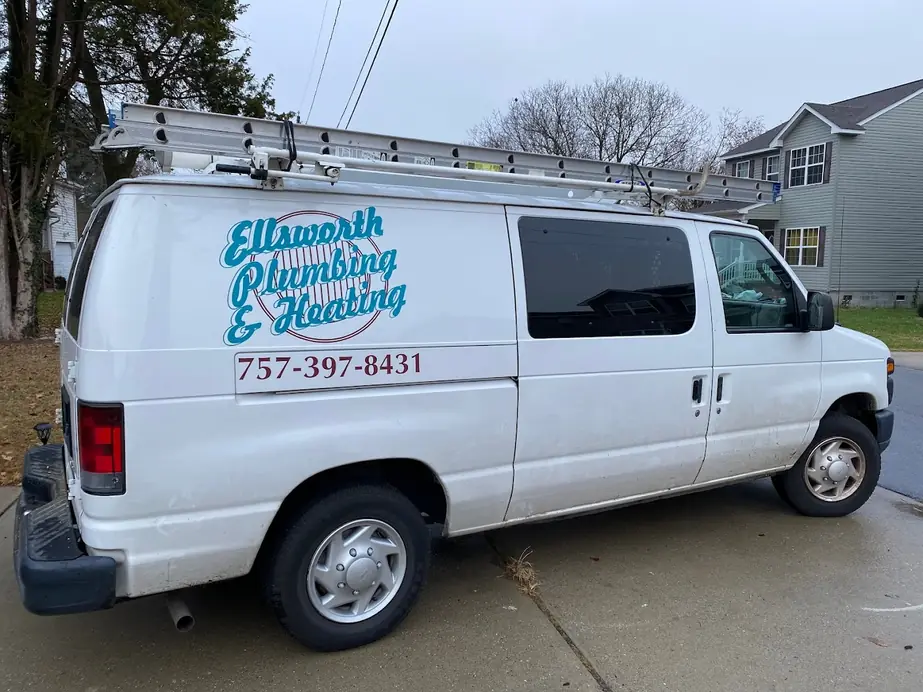
A shower that used to feel like a shower and now feels like a light drizzle is one of the more annoying things that can happen to a house. It's also one of the most common calls a Hampton Roads plumber gets, and it usually comes down to one of two problems.
The Two Usual Suspects
Ask Ellsworth Plumbing & Heating what causes low water pressure and their own answer, straight off their FAQ page, comes down to two things: debris and mineral buildup inside the pipes, or physical damage to the water lines themselves. The first is slow and boring. Minerals in the water settle inside older pipe over years, narrowing the inside diameter a little at a time until the flow that used to fill a tub in ten minutes now takes twenty. The second is faster and more serious, a cracked, corroded, or shifted section of pipe that's actually losing water before it ever reaches the faucet.
How to Tell Which One You've Got
Mineral buildup tends to show up gradually, and usually across the whole house rather than one fixture. A waterline problem, on the other hand, tends to announce itself. Watch for:
- Unexplained puddles in the yard, especially where the line runs from the meter to the house
- A sudden drop in pressure rather than a slow decline
- Water bills that jump for no obvious reason
- Discolored water coming out of the tap
- New noises in the pipes, knocking or hammering that wasn't there before
A slow decline over a couple of years points toward mineral buildup and aging fixtures. A sudden drop, especially paired with a soggy patch of lawn or a water bill that doesn't make sense, points at the line itself.
Simple Things to Rule Out First
Before assuming the worst, it's worth checking whether the problem is really house-wide. A shower that's lost pressure while the kitchen sink runs fine usually points at something local, a clogged aerator or showerhead built up with the same minerals that cause the bigger problem elsewhere. Unscrewing an aerator and rinsing it out takes two minutes and rules out the cheapest explanation before anyone calls a plumber. If every fixture in the house is weaker than it used to be at the same time, that's a stronger sign the problem is upstream, in the main line or inside the walls, rather than at any single faucet.
Older Pipe Inside the House
A lot of the low pressure calls in older Hampton Roads homes trace back to galvanized pipe that's still technically doing its job while quietly rusting from the inside. The pipe looks fine from outside the wall. Inside, decades of mineral deposit and corrosion narrow the usable diameter until a pipe that started at three quarters of an inch is functionally half that or less. Repiping a section, or the whole house, is a bigger job than clearing a clog, but it's often the only fix that actually lasts once the pipe itself has narrowed that far.
One More Thing Worth Checking
Some homes have a pressure-reducing valve where the main line enters the house, a small brass fitting that controls how hard water comes in from the street. When that valve starts to fail, it can either choke pressure down too far or let it spike, and either one can look like a mystery problem that has nothing to do with the valve itself. It's easy to overlook because it's usually tucked in a crawlspace or a basement corner, but it's worth ruling out before assuming the issue is buried somewhere in the yard.
Whose Line Is It, Anyway?
One thing that trips up a lot of homeowners: the water line running from the street to the house has a private side and a city side, and the two aren't handled the same way. Ellsworth Plumbing & Heating's own waterline page flags this directly, what the city doesn't cover regarding water lines is exactly the gap that can leave a homeowner holding the bill for a break on their own side of the meter. It's worth knowing that split exists before assuming a leak is automatically someone else's problem to fix.
Low pressure is usually easy to diagnose once someone's actually looked at the pipes and the meter, harder to guess at from the shower head. Ellsworth Plumbing & Heating has been working Portsmouth's water lines long enough to know the difference at a glance, and their counter on Turnpike Road keeps the fittings on hand to fix what they find. If your pressure has dropped and you can't explain why, call (757) 250-2677 before it gets worse.
Ellsworth Plumbing & Heating, (757) 250-2677
Call (757) 250-2677More articles
How Long Does a Water Heater Really Last?
A plain answer to a question every Portsmouth homeowner eventually asks, and the signs that tell you which side of it you're on.
Why Your HVAC System Needs a Look Every Year
One yearly visit catches the small problems before a Hampton Roads summer or winter turns them into a breakdown.