How Long Does a Water Heater Really Last?
A plain answer to a question every Portsmouth homeowner eventually asks, and the signs that tell you which side of it you're on.
September 23, 2026 · 4 min read
Every water heater in every house in Hampton Roads is on a clock. Nobody thinks about it until the shower runs cold halfway through, or a stain shows up on the closet floor where the tank sits. Ellsworth Plumbing & Heating gets this question often enough that it made their own FAQ page, so here's the straight version.
The Short Answer
Approximately 11 years. That's Ellsworth Plumbing & Heating's own answer to how long the average water heater lasts, and it lines up with what most plumbers see across a normal Portsmouth household running two bathrooms and a kitchen through the same tank, day after day. Eleven years is an average, not a deadline. Some units limp along past 15. Others start failing at 8, usually because of water quality, sediment buildup, or an install that wasn't sized right for the house in the first place.
Signs Your Water Heater Is Telling You Something
A water heater rarely fails without warning. It usually complains first. Watch for:
- Inconsistent water temperature, hot one minute and lukewarm the next
- Strange noises from the unit, popping or rumbling as sediment builds on the bottom of the tank
- Visible rust or corrosion on the tank itself or the fittings
- Water leaks around the base of the heater, even a small damp patch
- A water heater already past the 10 year mark
- Needing a repair call more than once in a year
Any one of these on its own isn't an emergency. Two or three together, especially on an older unit, is usually the point where repair stops making sense and replacement takes over.
What Shortens a Water Heater's Life
A few things push a water heater toward the early end of that range instead of the late one. Hard water is a big factor in plenty of Hampton Roads homes, the same minerals that leave white residue on a showerhead settle at the bottom of a tank over time and insulate the heating element from the water it's meant to heat, so the unit works harder for the same result. A tank sized too small for the household runs more cycles than it should, which wears it out faster the same way a car driven hard wears out faster than one driven gently. Location matters too, a unit tucked in an unheated garage works against colder incoming water all winter compared to one set inside conditioned space.
Regular maintenance stretches that average out. A yearly flush to clear sediment off the bottom of the tank, and checking the anode rod that quietly corrodes instead of the tank itself, are both simple enough that a lot of homeowners skip both, and neither shows up as a problem until the day it does.
Tank, Tankless, or Electric
Ellsworth Plumbing & Heating installs all three, and each fits a different kind of household. A standard tank heater is the familiar option, straightforward to install and comfortable to repair since parts are common. Tankless units heat water on demand instead of storing it, which means no standby heat loss and, for a lot of houses, a smaller footprint in the utility closet, though they ask more of the home's gas or electrical supply. Electric water heaters skip gas altogether, which matters in a house without a gas line already run to that spot. None of the three is automatically the right call. It depends on how the house actually uses hot water and what's already feeding that closet.
What a Replacement Actually Involves
Swapping in a new water heater is more than carrying the old tank out and a new one in. Whoever does the work should size the replacement to the household's actual hot water use rather than just matching the old tank's capacity out of habit, and confirm the venting, gas line, or electrical connection already in place can handle whatever's going in. A rushed swap done just to save a visit tends to show up as the same complaints again in a few years, just with a newer date stamped on the tank.
Repair or Replace
The rule of thumb most plumbers use is simple. If the unit is under 6 years old and the failure is a single part, like a thermostat or a heating element, repair it. If it's past 10 and already showing rust or a leak, replacement is usually the better use of money even though it costs more up front, because a failing tank tends to fail again within a year of the first repair. A technician who actually looks at the unit will give a straighter answer than any rule of thumb, since the tank's age is only part of the picture.
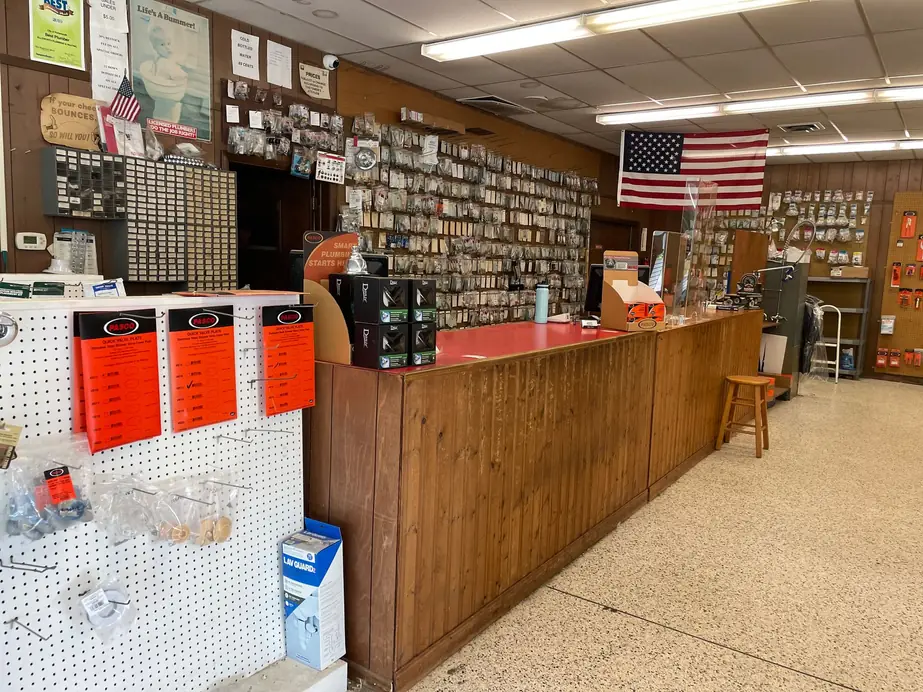
Ellsworth Plumbing & Heating has been working on Portsmouth's water heaters, tanks, tankless units, and electric alike, since 1906 by their own account, and the walk-in counter at 3605 Turnpike Rd keeps common parts on the shelf instead of on backorder. If a water heater in your house is doing any of the things on that list above, call (757) 250-2677 and get it looked at before it decides the timing for you.
Ellsworth Plumbing & Heating, (757) 250-2677
Call (757) 250-2677More articles
What's Actually Causing Your Low Water Pressure
Debris and mineral buildup, or a damaged water line: here's how to tell which one is slowing your water down.
Why Your HVAC System Needs a Look Every Year
One yearly visit catches the small problems before a Hampton Roads summer or winter turns them into a breakdown.